Archive | July 2014

How to decrystallize honey: Just add heat (gently)!

Have you ever purchased a fresh jar of honey, and then discovered a few weeks later that it has entered a solid state? Don’t fret – the crystallization is normal, and the honey is still perfectly good. In fact, crystallized honey can be an ingredient of its own, making an excellent spread for toast, rub for chicken, or addition to a cheese plate. If you drop a chunk into your tea or any warm dish, it will dissolve in seconds.

But if you’re like me, and you prefer your honey in its drizzly, viscous form for everyday use, then use this easy fix to soften it up. The key is to add some gentle heat, so that the sugary crystals re-dissolve into a supersaturated solution. Although this can be done in the microwave, I prefer to heat honey lightly on the stove. Too much heat will destroy the fragile aromatic molecules that make good honey so delicious.

I recently bought a glass jar of raw lavender flower honey, which was already 90% crystallized on the store shelf. After a couple of weeks, it looked like this:

IMG_5471

Time to decrystallize!

First, I brought a pot of water to a very light boil. Then I turned off the heat and set the jar of honey in the pot, swirling the jar around in the warm water every few minutes.

IMG_5476

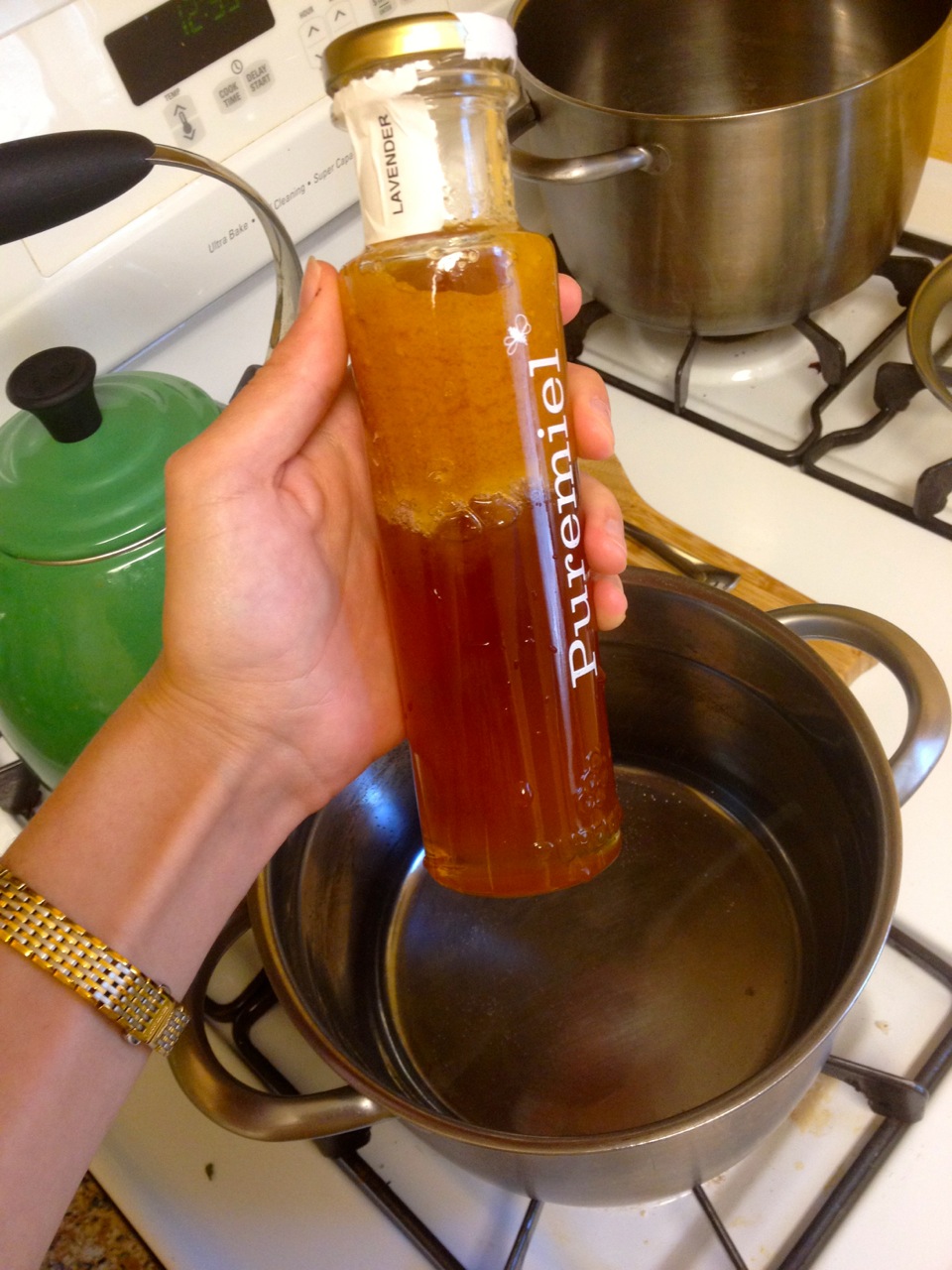
After about fifteen minutes, the jar looked like this:
IMG_5477

…I should have used a taller pot! To get the honey at the top, I re-boiled the water, let it cool a little bit, and laid the jar in the pot at an angle. I rotated and shook the jar every few minutes. Soon, the whole thing was liquified:

IMG_5478

Voilà – Pretty simple!

A few weeks later, the very bottom of my jar has started to re-crystallize. It’s a very gradual process, so I am guessing I won’t need to re-heat the jar again before I use up the honey.

A few notes:

  • The stovetop method only works for honey in glass jars. The plastic bears just can’t handle the heat.
  • Be careful when you remove the jar from the pot – glass can get very hot! Use a glove or potholder if you’re uncertain.

 

Get your onomatopoeia fix with some multi-lingual farm animals

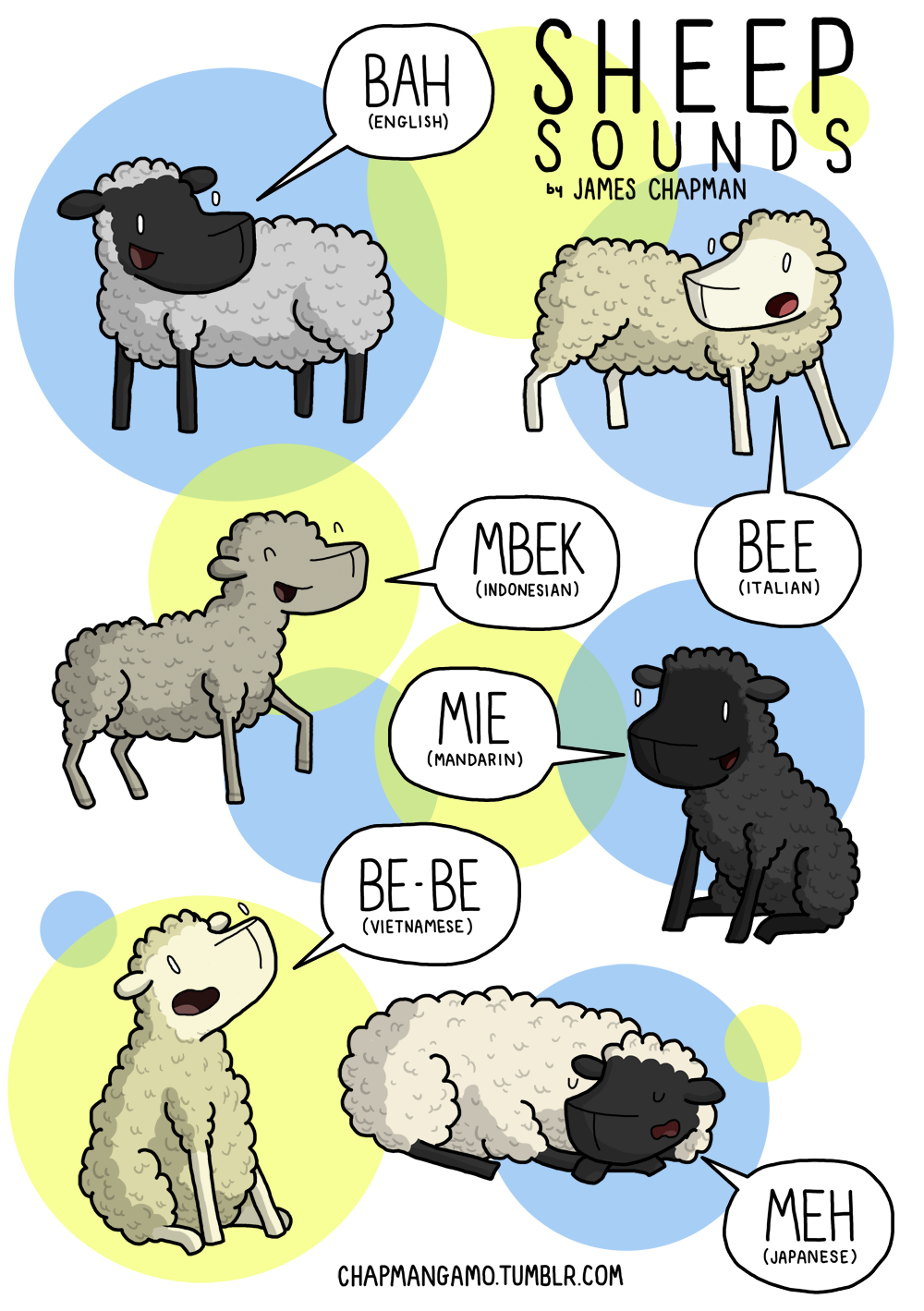
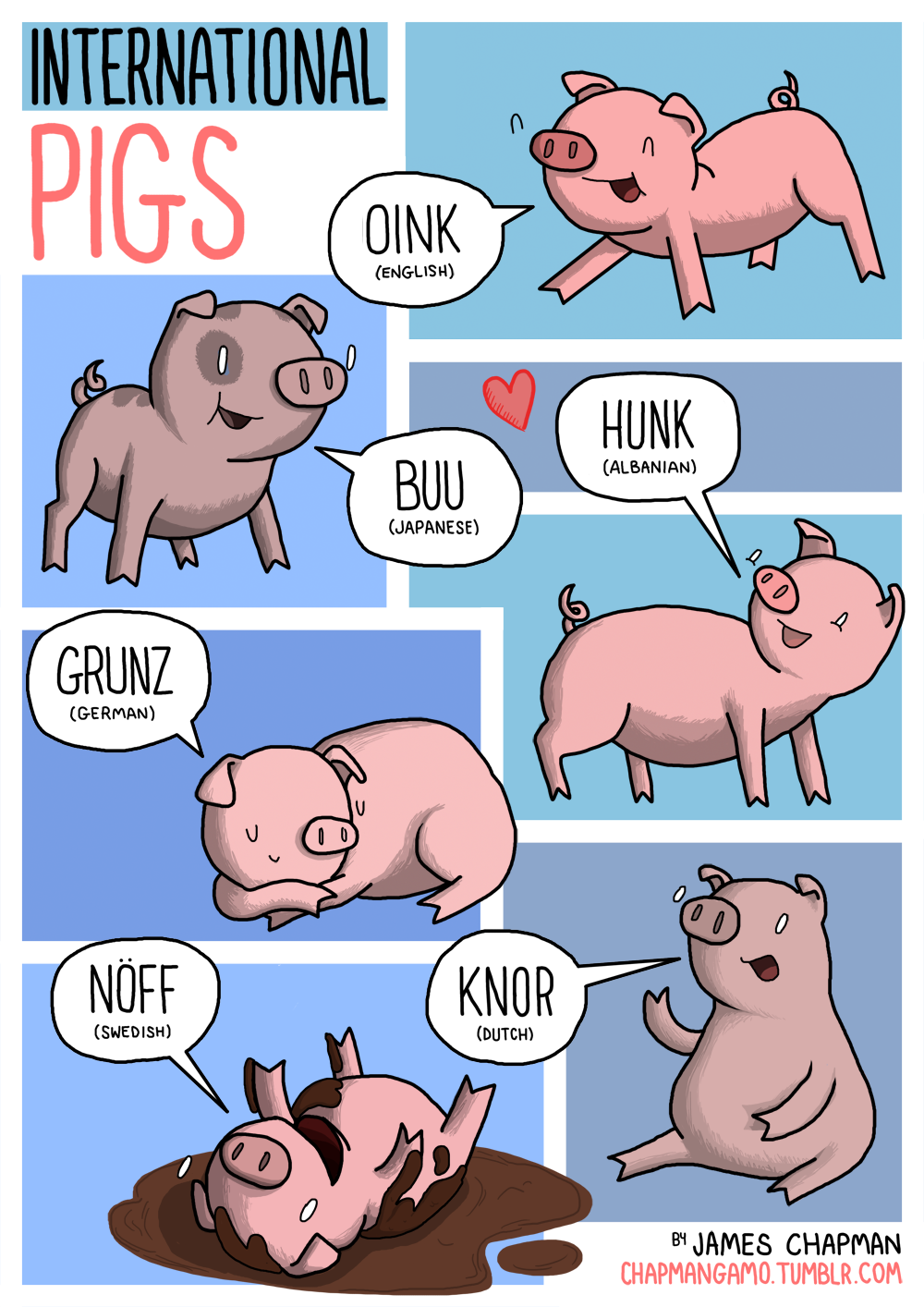
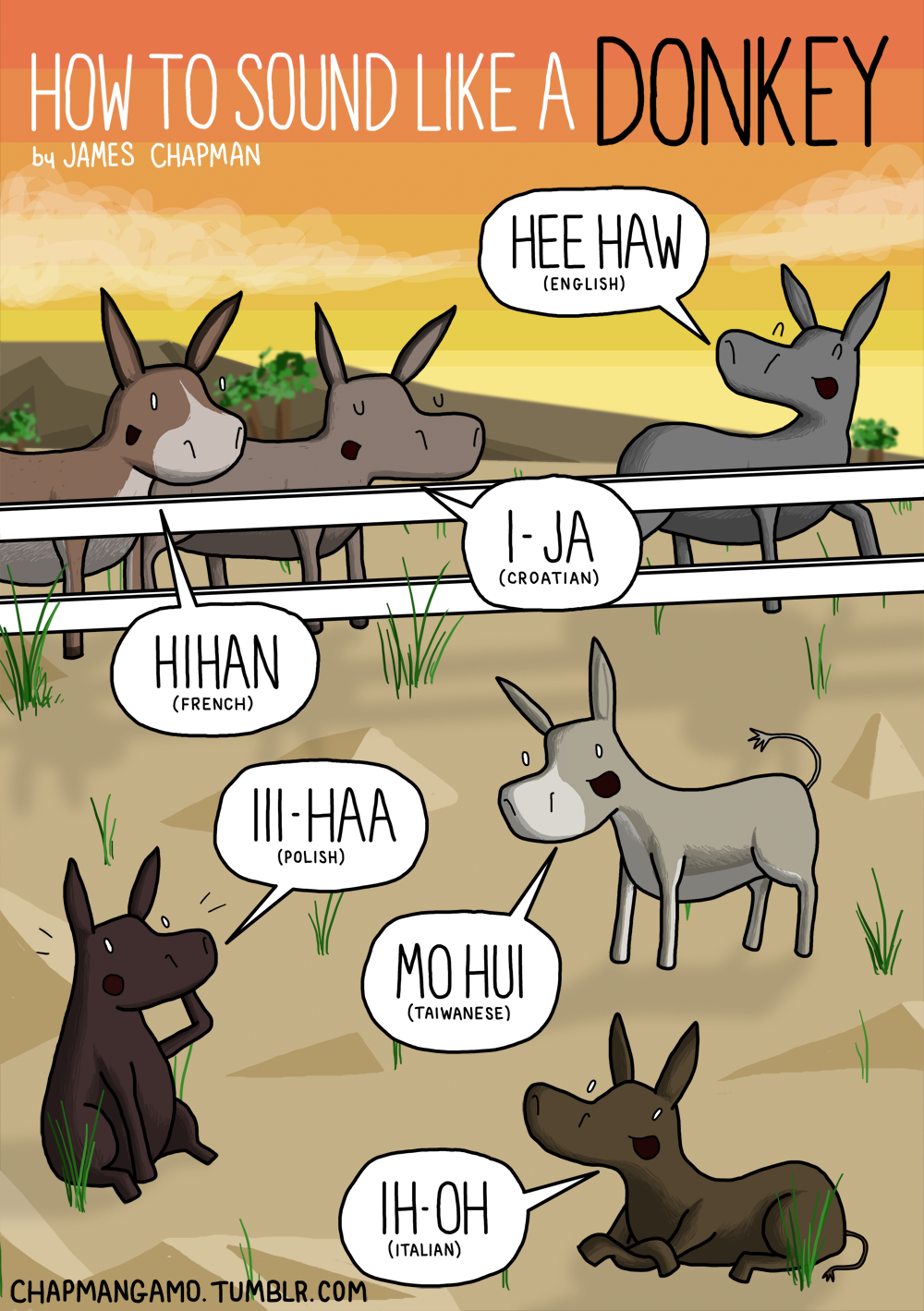
I’m a big fan of James Chapman’s work, and it’s not hard to see why – his illustrations are both adorable and educational! 🙂 He has a series called “Soundimals” in which he illustrates various noises in a variety of languages. Visit his website to learn the international sounds for popping, snoring, splashing, and more.

For those of us who work in agriculture in some fashion, I’ve highlighted some of the artist’s animal illustrations below. After all, you never know when you might need to speak to a rooster in Japanese. His depictions of the different dog breeds are just way too cute.

Click on each image to view a larger version.

ChapmanCowChapmanDonkeysChapmanSheepChapmanPigChapmanRoosterChapmanDog

Bringing technologies to scale in Nepal to increase farmer incomes: An interview with Bill Collis of KISAN

This post is cross-posted from Agrilinks.

A farmer’s cooperative in Nepal is reaping real financial benefits from producing high-value vegetables in the off-season. Cucumbers and bitter gourd are grown in low tunnels covered in plastic, which creates a greenhouse effect, reduces temperature fluctuations, and protects the crops from weather damage. This relatively simple practice can produce significant boosts in income, due to the timing of the harvest. The farmer’s cooperative received training on this practice through Feed the Future’s Knowledge-based Integrated Sustainable Agriculture and Nutrition (KISAN) project, a five-year activity that runs from 2013-18 and is led by Winrock International. While the training is one of the successful highlights from KISAN, on a broader scale the activity aims to put established knowledge into action in order to improve agro-inputs, extension, market access, and farmer livelihoods in twenty districts in Nepal. In addition to KISAN, USAID-Nepal also has awards with the Cereal Systems Initiative for South Asia (CSISA) and the Feed the Future Innovation Lab for Integrated Pest Management, which both conduct research at local test sites to provide technologies and best practices that KISAN can bring to scale.

In March 2014, a group of USAID staff and partners (myself included) embarked on a two-day field trip to the Banke and Surkhet districts in western Nepal, where we visited field sites for the aforementioned USAID-funded activities. This trip was an addendum to the annual Feed the Future Innovation Lab Council Partners Workshop, which took place in Kathmandu. [Check out these blog post recaps of Day 1 and Day 2 of the field trip.]

I borrowed KISAN Chief of Party, Bill Collis, at one of the project’s vegetable sites for a brief interview about KISAN’s work on tunnel vegetable production. We also touched up the project’s model of collaboration with the Government of Nepal and with other Feed the Future implementing partners for spreading knowledge to farmers. Check out the video below!